
THE CATCH NEWSLETTER
Spring 2026
Introduction
The "catch of the month" for spring is the salmon. Salmon are common prey for predators such as bears and wolves during their annual migration between the ocean and river. Nevertheless, the salmon still act as a natural symbol of resilience, renewal, and the power of a purposeful return. Their lifespan can be a reminder of how strength can still be displayed through gentle diligence, rather than a grand spectacle.
This edition of The Catch includes a creative non-fiction piece by local author Anna Parks, along with a book review of Hamnet by Maggie O’Farrell—another poignant exploration of familial love and quiet resistance.
– Chloe Pancho
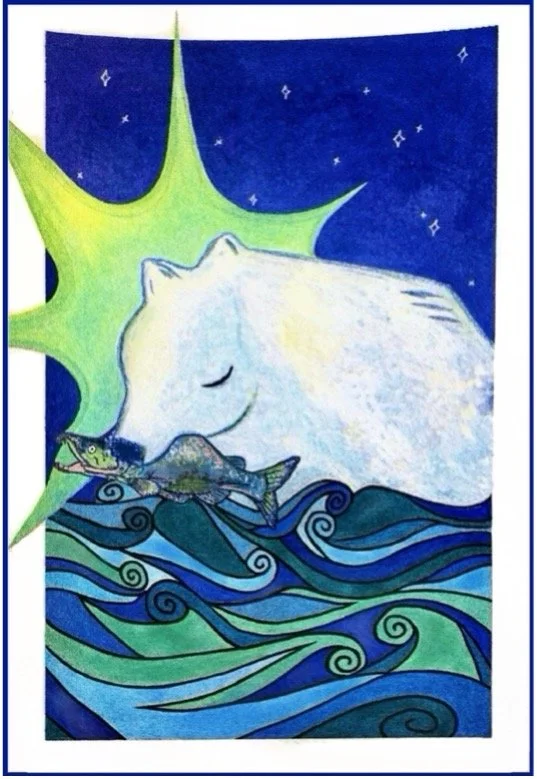
Local Artist Feature: Dear Dad by Anna Parks
Anna Parks is an English Creative Writing major at the University of North Florida. She has been writing since childhood, often turning to stories as a way to make sense of memory, identity, and the quiet complexities of growing up. While she has not yet been formally published, her work is rooted in honesty and reflection, drawn from moments that linger and ask to be understood. “Dear Dad” is one of those moments, shaped by her own experiences and her desire to find meaning in them.
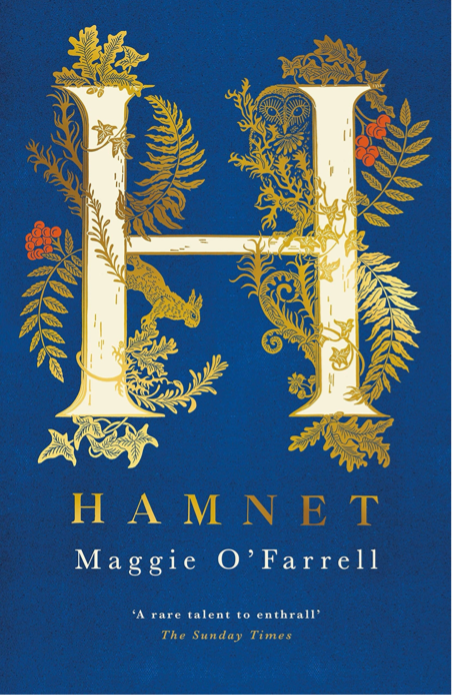
How Sorrow Can Ripen a Story: A Review of Maggie O’Farrell’s Hamnet.
Maggie O’Farrell’s Hamnet is a rare novel. Set in late‑sixteenth‑century England, the book unfolds in a quiet space between history and imagination. It follows the brief life and early death of Hamnet Shakespeare, the young son of William Shakespeare, who is never named but still unmistakably present. Instead, the novel’s true center of gravity is Agnes, Hamnet’s mother, whose intuition and otherworldly calmness anchor the entire story.
The novel moves fluidly between timelines, tracing the family’s early courtship, the rhythms of domestic life, and the creeping arrival of the plague that will eventually claim Hamnet. Everyday moments of this family's life are written with such precision that the world of the novel feels vividly real and alive. This attention to the seemingly mundane renders the tragedy at the center of the story feel even more painful, because us as the reader have to come to understand what exactly is being lost.
What struck me the most about Hamnet is its refusal to treat grief as a single event. Instead, O’Farrell shows how loss ripples outward, reshaping the lives of those left behind. Agnes’s grief in particular, is depicted with extraordinary clarity. It’s raw, disorienting, and yet still undeniably threaded with a fierce, almost defiant love. Some characters mourn differently, some retreat inward, while others attempt to continue with routine. The varying displays of grief was one of the novels many, many strengths.
The novel’s emotional peak for me was in its final scene, where Hamnet’s death is linked to the creation of Hamlet. Rather than presenting the play as a triumphant transformation of suffering, O’Farrell suggests that creation itself can become an act of remembrance. The ending is emotionally overwhelming not because it offers resolution, but because it acknowledges the permanence of grief. It’s the perfect conclusion that recognizes the ways in which love can survive and persist even during moments of such earth-shattering loss.